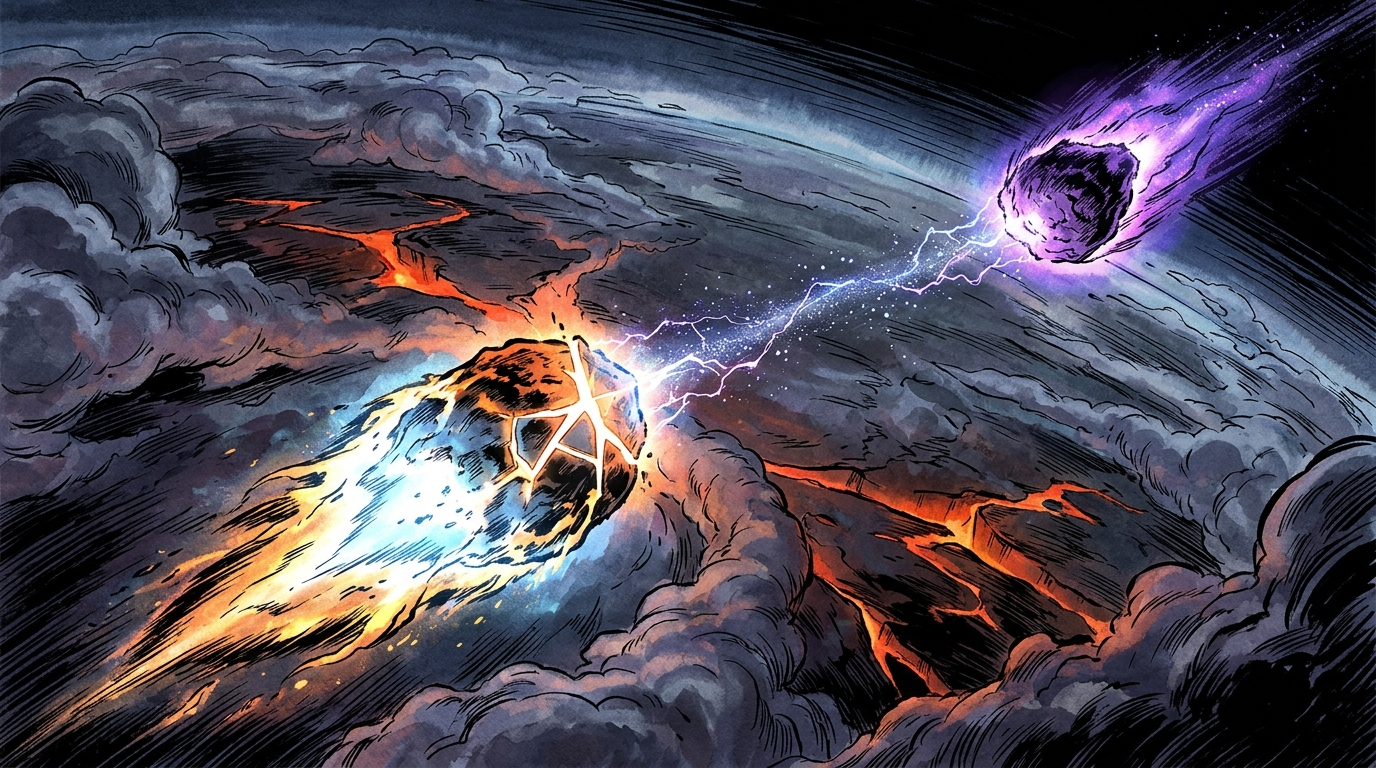
Across the primary fracture points of the old loop, reality settled into an apparent, breathtaking calm.
On the shingle spit of Orford Ness, ten seconds after the three-year-old chimpanzee vanished from the concrete floor of Building 7, the storm over the North Sea gave one final, convulsive shudder. Inside the shattered bunker, the emergency batteries had kicked in, bathing the olive-drab racks in a dim, smoky red glow. Yet on the central console, the circular glass of the long-range radar scope had not cleared.
‘Terry, look at the gain…’ Dan whispered, backing slowly towards the bulkhead door. ‘It isn’t sweeping. It’s layering.’
The green phosphor tube had become a deep, luminous pool of emerald light. Instead of fading behind the rotating trace, the afterglow was coalescing into distinct human contours pressing out-wardss from the depth of the cathode glass as the thirty-thousand-year wave collapsed across the ionosphere.
‘They aren’t ghosts, Dan,’ Terry breathed, his face six inches from the screen. ‘They’re witnesses.’
In the emerald radiance, the faces of every soul caught in Fragment Alpha’s circuit flickered past in silent procession: Raahi Shah with the monsoon rain of 13 AD glistening on his cheeks; a bewildered seventeenth-century shopkeeper brushing red-furred mammoth hair from his cuffs; a bearded Portuguese clerk with a silver cross at his throat, his bony finger finally dropping in peace; an ancient Indian merchant smiling beside a Deptford brazier; and a slight thirteen-year-old London apprentice touching the crown of a silent gold watch to the radar lens.
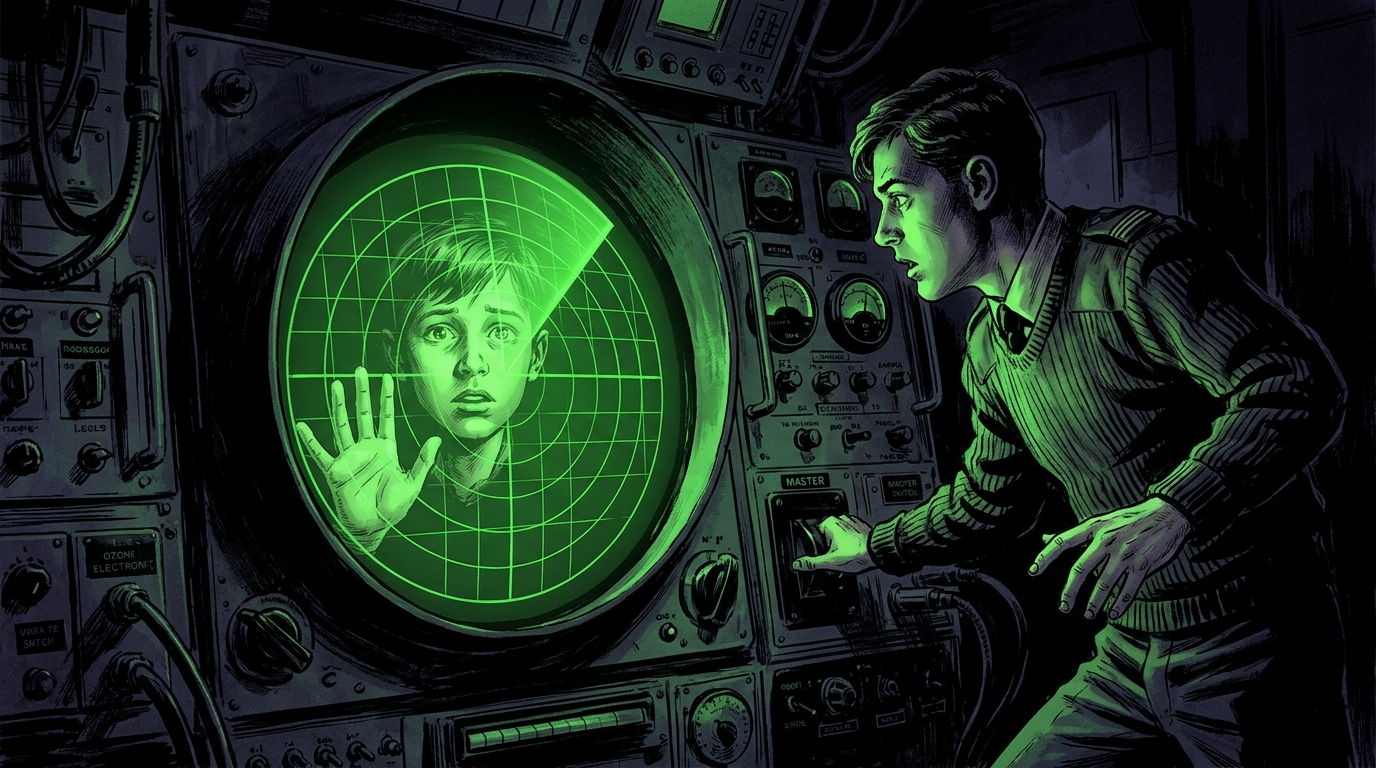
Behind the wire mesh of the tall equipment racks, the glass vacuum valves popped in a crisp, rhythmic sequence—tick, tack, tick, tack, pop—like a gargantuan pendulum clock gently exhausting the last turn of its weight. For one extraordinary heartbeat, the concrete bunker was filled with the rushing sound of a thousand strong wings beating upwardss into an open sky. Then the cathode screen flashed pure gold and went dark, and the six-inch circle of vitrified black glass vanished from the concrete floor.
In the year 13 AD, twenty-year-old Raahi Shah sat upon the packed red-dirt track leading up from the Malabar beach towards his village. He looked down at his calloused hands; his palms were empty, unburnt, and smelled only of sea-salt and wet hemp. High above the palm groves, a great sea-eagle—both golden-brown wings beating strong and whole against the wind—caught the warm thermal rising off the cliffs and soared effortlessly eastwards towards the green heights of the Western Ghats.
‘Raahi!’ his mother’s voice called clearly from the doorway of their thatched hut up the lane, the long fever broken by the cool breeze off the Arabian Sea. ‘Is that you, my son? Did you bring the fish?’
Raahi rose to his feet, brushing the red earth from his knees as an unburdened smile spread across his face. ‘No, Mother,’ he called back. ‘The fish are running deep today. But the sky has cleared, and the rain will be kind.’
Seventeen hundred and sixty-three years later, on the evening of 24 March 1776, a thirteen-year-old apprentice stood beside the great mahogany workbench in the first-floor study at Red Lion Square.
Upon its crimson velvet cushion sat John Harrison’s final timepiece, ticking with a crisp, honest beat, its crown bearing only a plain brass pendant bow and winding stem. There was no blown-glass chamber and no Indian stone—for in May of 1682, Bartholomew Browne had opened his shop doors on the ground floor without a single bookcase toppling over. Across the room by the warm hearth, old John Harrison had passed away quietly in his sleep ten minutes earlier, a calm expression upon his lined Yorkshire face. The boy walked softly across the carpet and gently closed his master’s eyes.
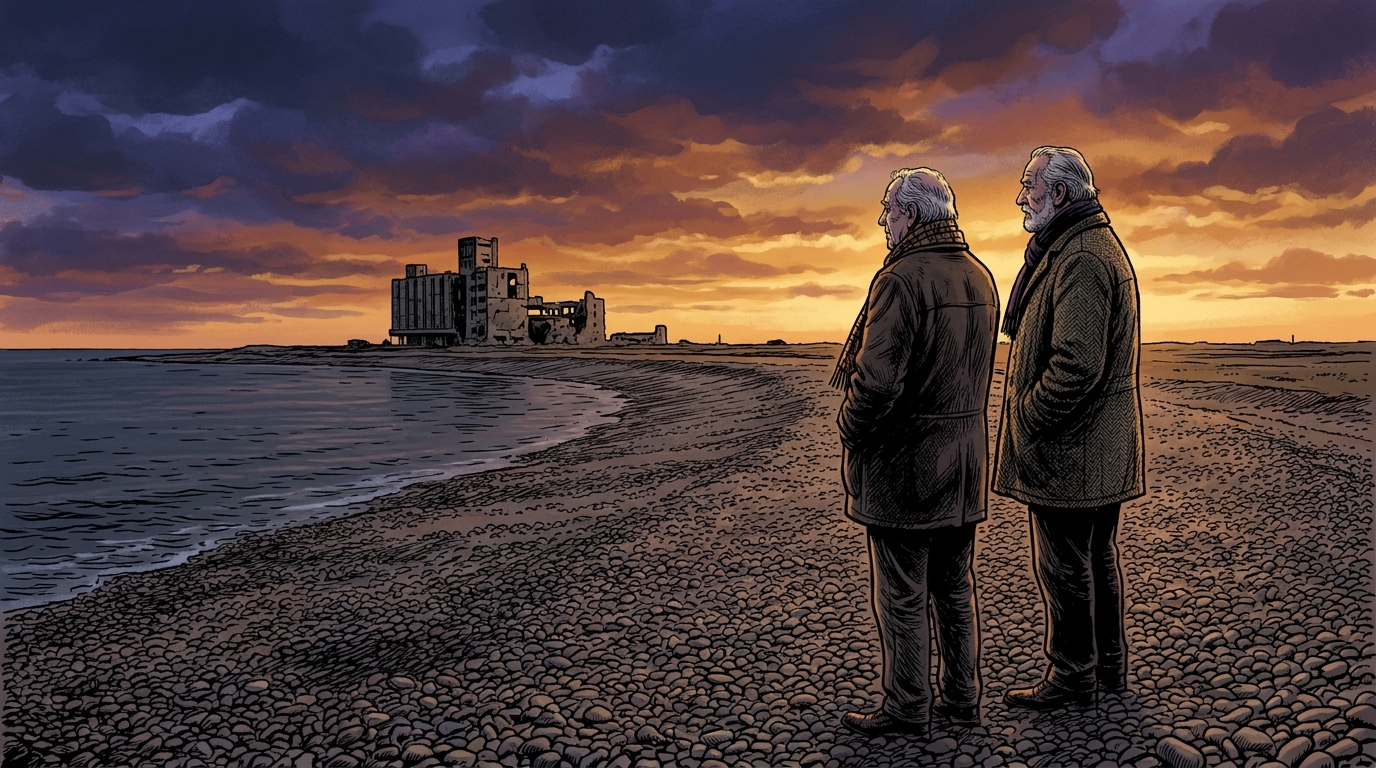
Yet the universe does not balance a four-billion-year ledger with a comforting illusion.
The quiet boy standing beside John Harrison’s chair in Red Lion Square was merely a temporal proxy—a harmless baseline echo stitched into place when Fragment Alpha went dark. The true Isaac Peckham—the boy whose blistered hands had loosed the arrow on Senlac Hill, ignited the bakehouse in Pudding Lane, and grounded the Zografou lattice—had never returned to eighteenth-century London.
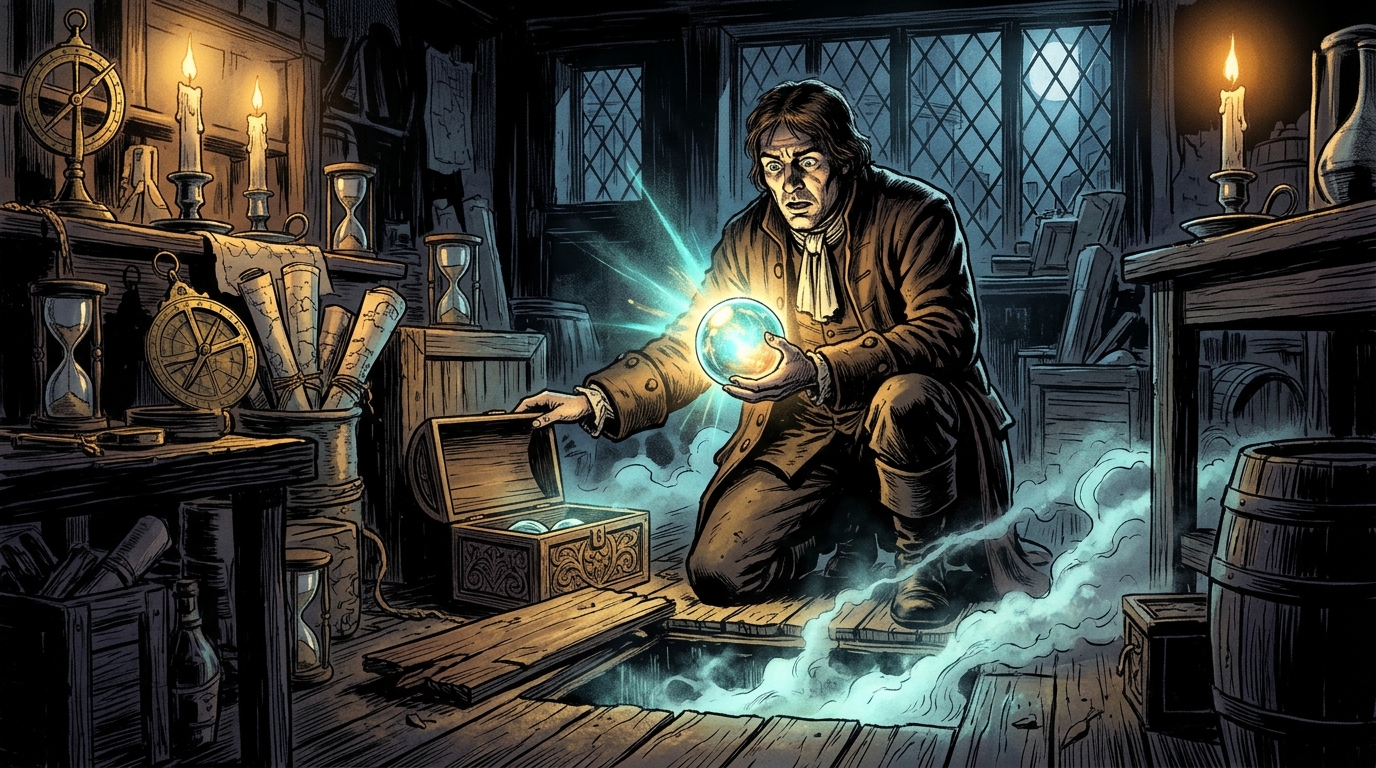
Caught in the violent recoil of the entanglement discharge, he was still falling through the dark towards the second stone.